Supported Hardware
OrchestraOS hardware support is provided by the meta-orchestraos-bsp
layer. The layer currently provides machine configurations for the following
targets:
Name |
MACHINE |
CPU |
Link |
Picture |
|---|---|---|---|---|
EIG-M (Edge IoT Gateway M) |
|
NXP i.MX8M Plus |
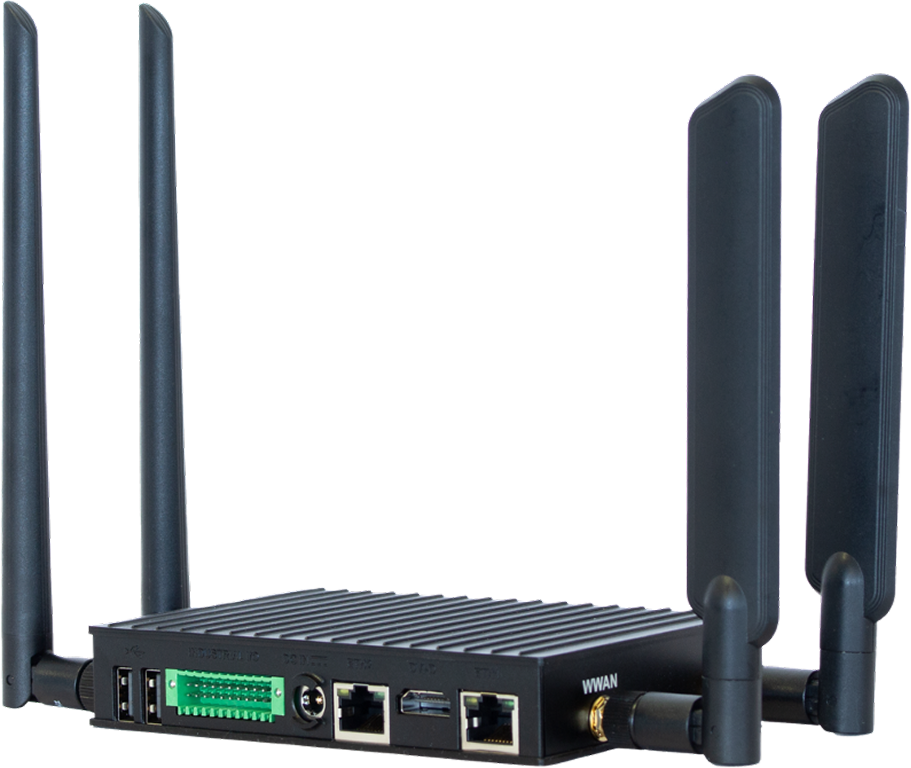
|
|
EIG-M-DIN (Edge IoT Gateway M DIN Rail Version) |
|
NXP i.MX8M Plus |
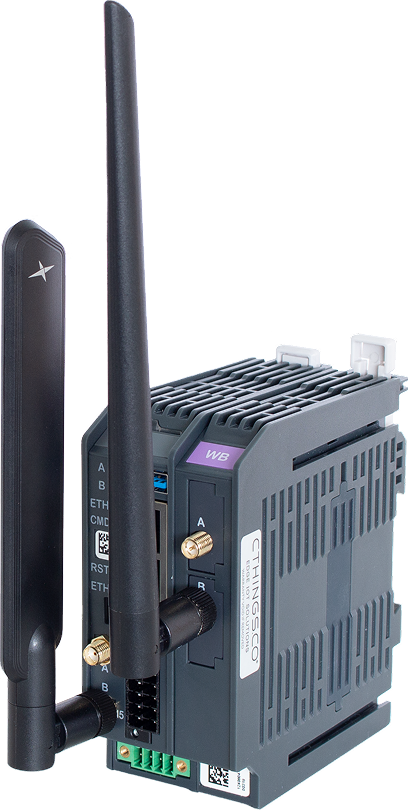
|
|
EIG-MA (Edge IoT Gateway MA) |
|
NXP i.MX8M Quad |
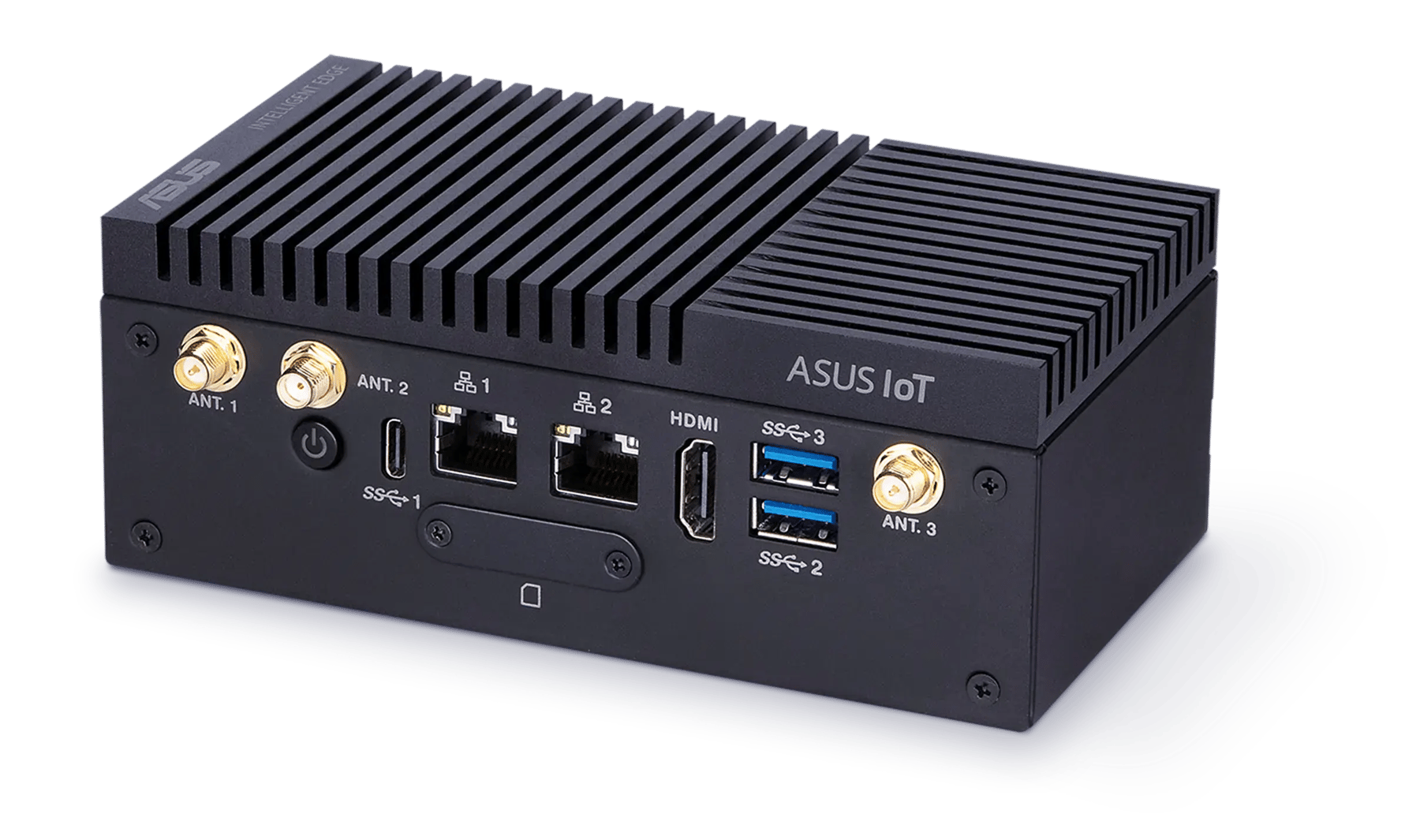
|
|
EIG-XS (Edge IoT Gateway XS) |
|
NXP i.MX93 |
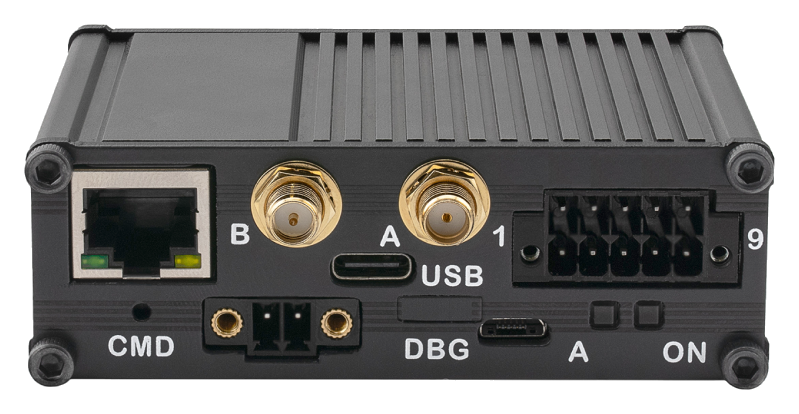
|
The machine configuration files are stored under
layers/meta-orchestraos-bsp/conf/machine. Hardware-specific kernel,
bootloader, firmware, and signing integration live in the same
meta-orchestraos-bsp layer.
Platform Integration Details
Kernel And Bootloader Sources
All four EIG machine configurations explicitly select linux-fslc-imx as
the preferred virtual kernel provider. They retain the NXP BSP selection for
other platform components. The common kernel recipe applies machine-specific
Compulab or ASUS support on top of the selected community kernel revision.
U-Boot remains u-boot-imx 2024.04 with vendor sources and board patches.
MACHINE |
Kernel provider and board support |
Bootloader source / branch |
|---|---|---|
|
|
Compulab |
|
|
Compulab |
|
|
ASUS |
|
|
Compulab |
The EIG BSP selects Linux 6.6.157. Use the selected BSP revision and image inventory to identify the exact source revision and applied board patches.
Board Firmware and Memory Variants
EIG-M and EIG-M-DIN include Ethernet PHY/RGMII timing fixes in both kernel and U-Boot integration. EIG-M-DIN adds NXP 88W8997 Wi-Fi/Bluetooth firmware. EIGXS includes the Sona Wi-Fi firmware and board-specific wireless module, SIMCom modem configuration, and Ethos-U firmware. These selections describe software enablement; a peripheral must also be fitted and enabled by the board configuration.
The EIG-M family supplies U-Boot configurations sd-d1, sd-d2,
sd-d4, and sd-d8. Use the configuration matching the gateway’s memory
when choosing UUU scripts. RAUC bootloader variants use corresponding
normalized names such as sd_d2 and sd_d4; the EIG-M system-info handler
selects the variant from detected memory size.
Secure Boot Type
Secure-boot signing is enabled through machine features. The supported BSP
machines append both imx-boot-signature and linux-imx-signature to
MACHINE_FEATURES. Those features select signed bootloader and signed kernel
artifacts during the build.
MACHINE |
SoC family |
Secure boot type |
Signing features |
|---|---|---|---|
|
i.MX8M Plus |
HAB4 |
|
|
i.MX8M Plus |
HAB4 |
|
|
i.MX8M Quad |
HAB4 |
|
|
i.MX93 |
AHAB |
|
The HAB4/AHAB selection follows the NXP SoC family. i.MX8M-family targets use HAB4, while i.MX93 targets use AHAB. For key generation and signing-data layout, see Signing Keys Generation.
Device Tree Selection
Each machine defines a KERNEL_DEVICETREE_BASENAME and installs the device
trees needed by that machine. The common eig.inc include derives
KERNEL_DEVICETREE_DEFAULT from:
${KERNEL_DEVICETREE_BASENAME}${KERNEL_DEVICETREE_SUFFIX}
For most machines, the suffix is empty and the base device tree is selected.
The EIG-M machine also supports add-on-module based selection through
MACHINE_FEATURES:
MACHINE_FEATURES |
KERNEL_DEVICETREE_SUFFIX |
Selected default device tree |
|---|---|---|
|
|
|
|
|
|
neither feature present |
empty |
|
If both EIG-M module features are present, m2tpm-module-present takes
priority because it is checked first in eigm.conf.
Other machines currently use fixed default device trees:
MACHINE |
Default device tree |
|---|---|
|
|
|
|
|
|